In the beginning…
In the late 1970s and early 1980s, home computing was far from a common thing. Electronics enthusiasts and tech nerds were where it was at. Either building fairly complex computer kits, or buying expensive pre built systems like the Commodore PET or Apple II.
But here in Britain a slightly eccentric electronics inventor was about to change all that. After releasing a fairly simple computer kit in 1977 (the MK14), Clive Sinclair (later to become a Sir) began work on the ZX80: a low cost, Z80 based computer that could output to a domestic TV set via UHF.
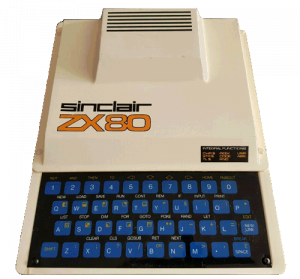
And the ZX80 was relative success, despite it’s very basic (and cheap) design. It sold around 100,000 units at the price of £99.99, which made it by far the cheapest “real” home computer on the market. And yes, it’s construction really showed just how this price was achieved: A simple moulded plastic case with a single piece membrane “keyboard”, and an RF out. Buoyed by the success of this little machine, Sinclair began work almost immediately on an improved successor machine, aiming for an even more affordable price point.
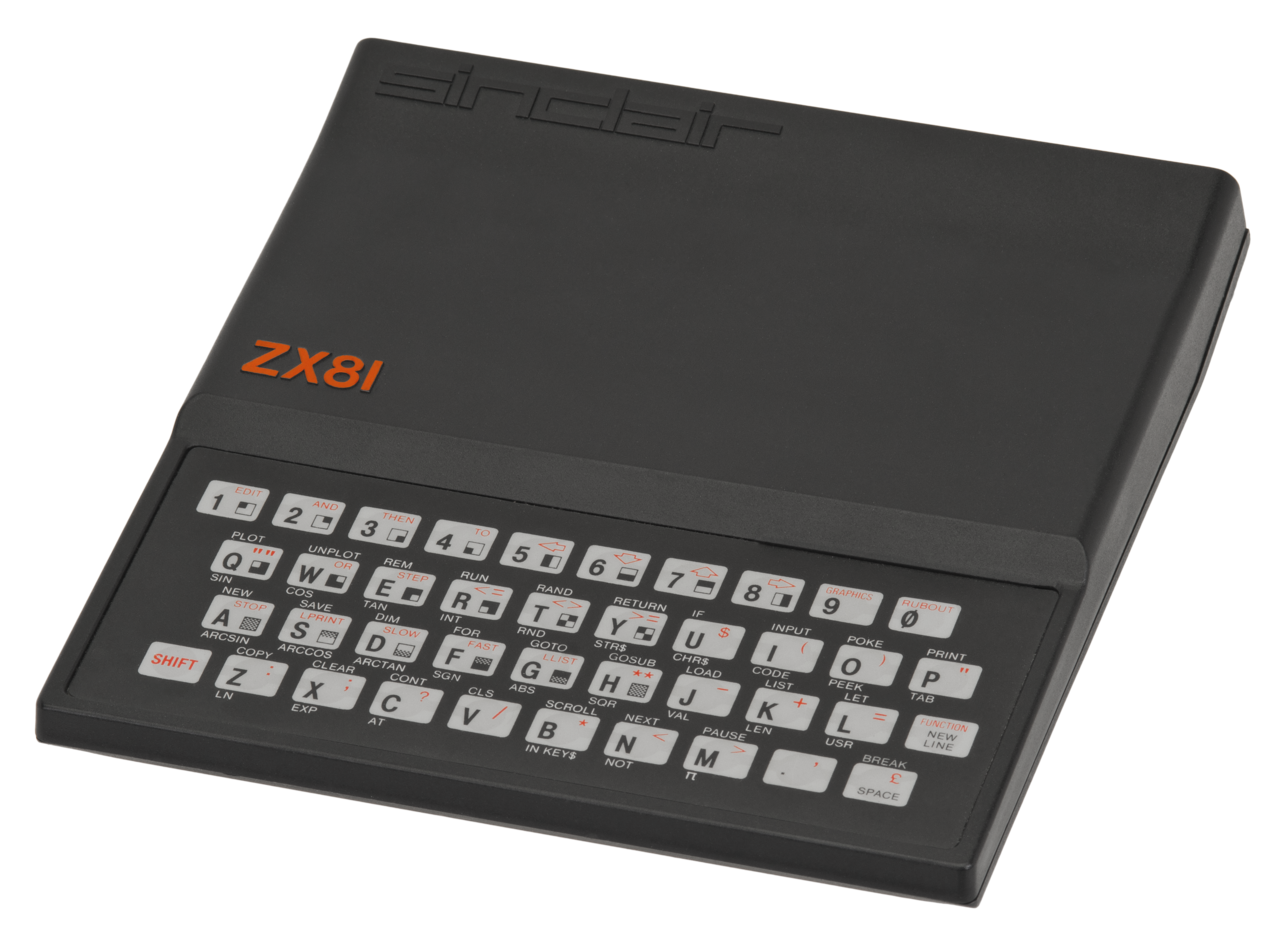
And in March of 1981, Sinclair unleashed that successor machine: the ZX81.
ZX81: Some improvements, but not many.
The ZX81 was an upgrade over the ZX80 is some notable ways. The case for starters was much more substantial, despite also clearly being made with costs in mind. It also featured an improved ULA and ROM. The system could operate in “FAST” mode which was the equivalent to the ZX80 (with it’s drawbacks including the screen only being refreshed after whatever else the CPU was doing was finished), or “SLOW” mode which updated the display continuously whilst the CPU also handled other tasks.
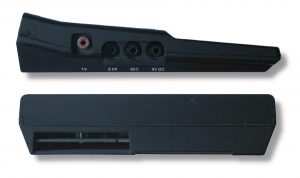
Like the ZX80, the ZX81 had a simple monochrome output over UHF to domestic TV sets, and no actual video hardware. The humble 3.25mhz Z80 CPU drove the display. And it’s basic 1k of onboard RAM, again the same as the ZX80, was quickly filled by most programs in Sinclairs Basic.
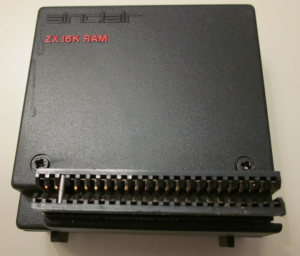
It quickly became standard for most ZX81 owners to purchase the optional 16k RAM expansion (which was very sensitive to being moved and crashing the system). Many also purchased aftermarket cases with proper keyboards as the ZX81 shared the membrane keyboard approach of the ZX80.
All told though, the ZX81 was a fantastic little machine. And available for just £49.95 in kit form, or £69.95 fully assembled, it was more importantly even cheaper than the ZX80 had been.
A significant success!
The ZX81 was hit from the start. The incredibly low price point put the idea of owning a home computer within reach of millions of Brits who just a few short months earlier wouldn’t have been able to even consider it. And this success meant that there was plenty of software available for the machine. Naturally, most of this ended up being games. And some of them were incredibly ambitious. The most famous example of how an ingenious coder could squeeze something incredible out of the ZX81 has to be 3D Monster Maze. A “3D” game where you must escape a randomly generated maze before being hunted down and killed by a T Rex, this game seemed impossible on the humble ZX81, yet there it was.
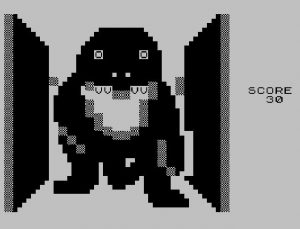
All told, by the time Sinclair discontinued the ZX81 in 1984, they had sold over 1.5m systems, a truly impressive amount of hardware for the time.
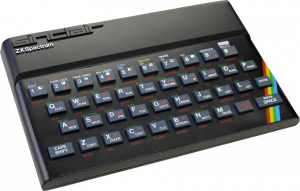
And this success paved the way for the boom in home computers that swept the UK in subsequent years. 1982 saw the ZX Spectrum launched, which significantly improved on the ZX81, the Commodore 64, the BBC Model B, and then a couple of years later the Amstrad CPC range. And none of these would have been as successful as they ultimately were without the humble ZX81 kickstarting the UKs love affair with home computers.
My YouTube video on the ZX81: https://youtu.be/RQf1wJxzuY4